Equinox
Equinox is a third-person narrative puzzle game in which the player plays as Ion, a young man diagnosed with bipolar disorder and dissociative identity disorder. Trapped within his own dreams, he navigates a fragmented world where memories, trauma, and the search for truth blur into one another.

Context
Equinox was developed as part of the Gamagora Game Show (GGS), an event showcasing students projects from Gamagora. The vertical slice of Equinox, which corresponds to the game's first level, was developed in just over three months using Unreal Engine 5.
Role
Since I had a fairly versatile role on the project, I was able to explore various aspects of game development through a wide range of tasks.
Narration
First, I helped create the story. Starting with the idea pitched by the project lead, we were able to build on that foundation.
Who, what, and how were all questions we sought to answer. Where do we want to go, and how do we get there?
Even though it was “only” the first level, we mapped out the story for the entire game. We had even established the narrative and layout for the different levels before realizing that the deadline was too tight to complete the entire project.
After that, I was tasked with creating the dialogue trees for our multiple-choice dialogue system.
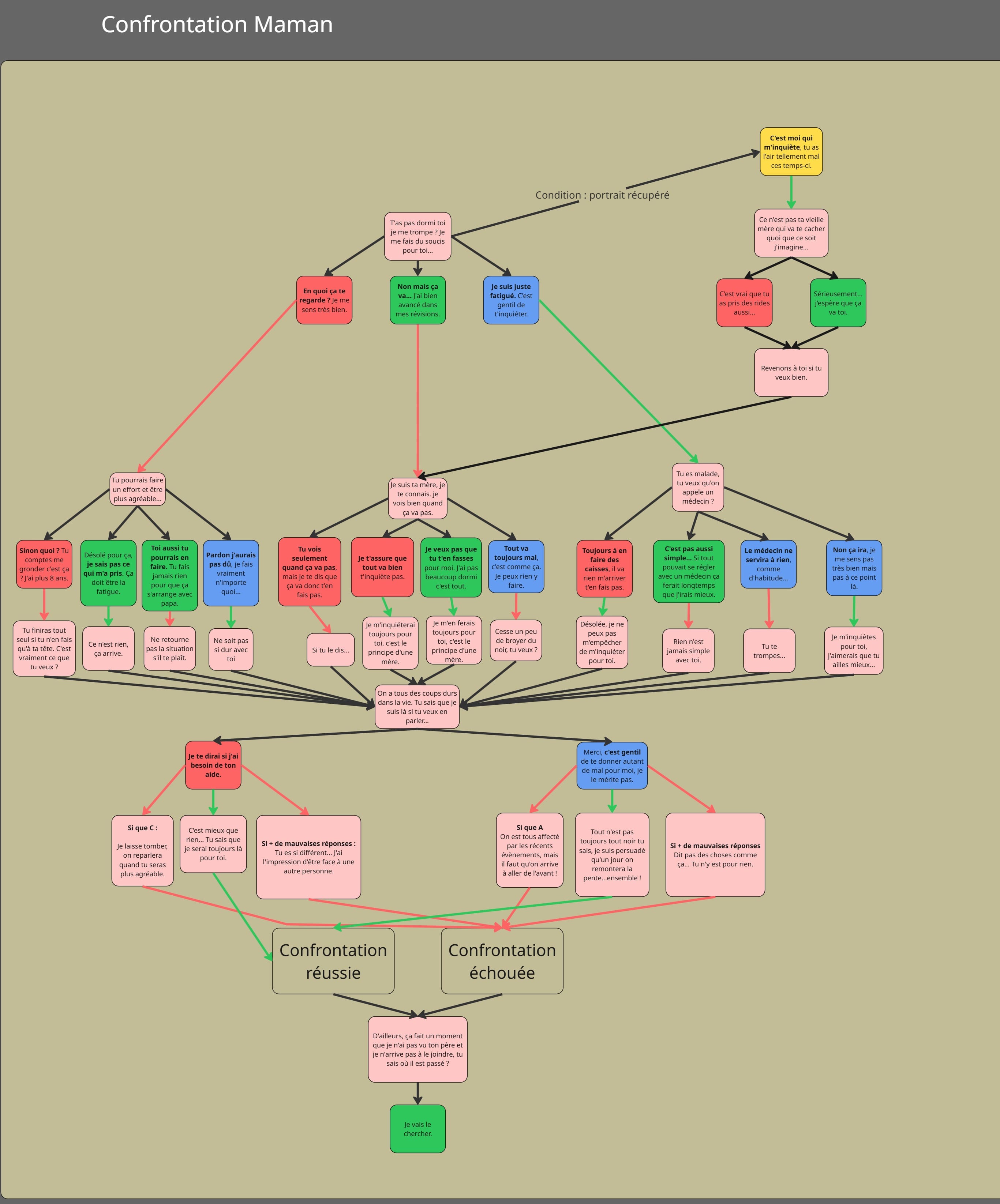
Level Design
Since I was studying level design, my primary goal was to work on level design. While I was handling the narrative, the other level designers in the group took care of the level layouts.
During the blockout phase, I worked on two levels: the art gallery and the hallway. Since I hadn’t created the initial layout, I had to base my blockout on someone else’s layout while maintaining the level’s original intent and improving it where necessary.
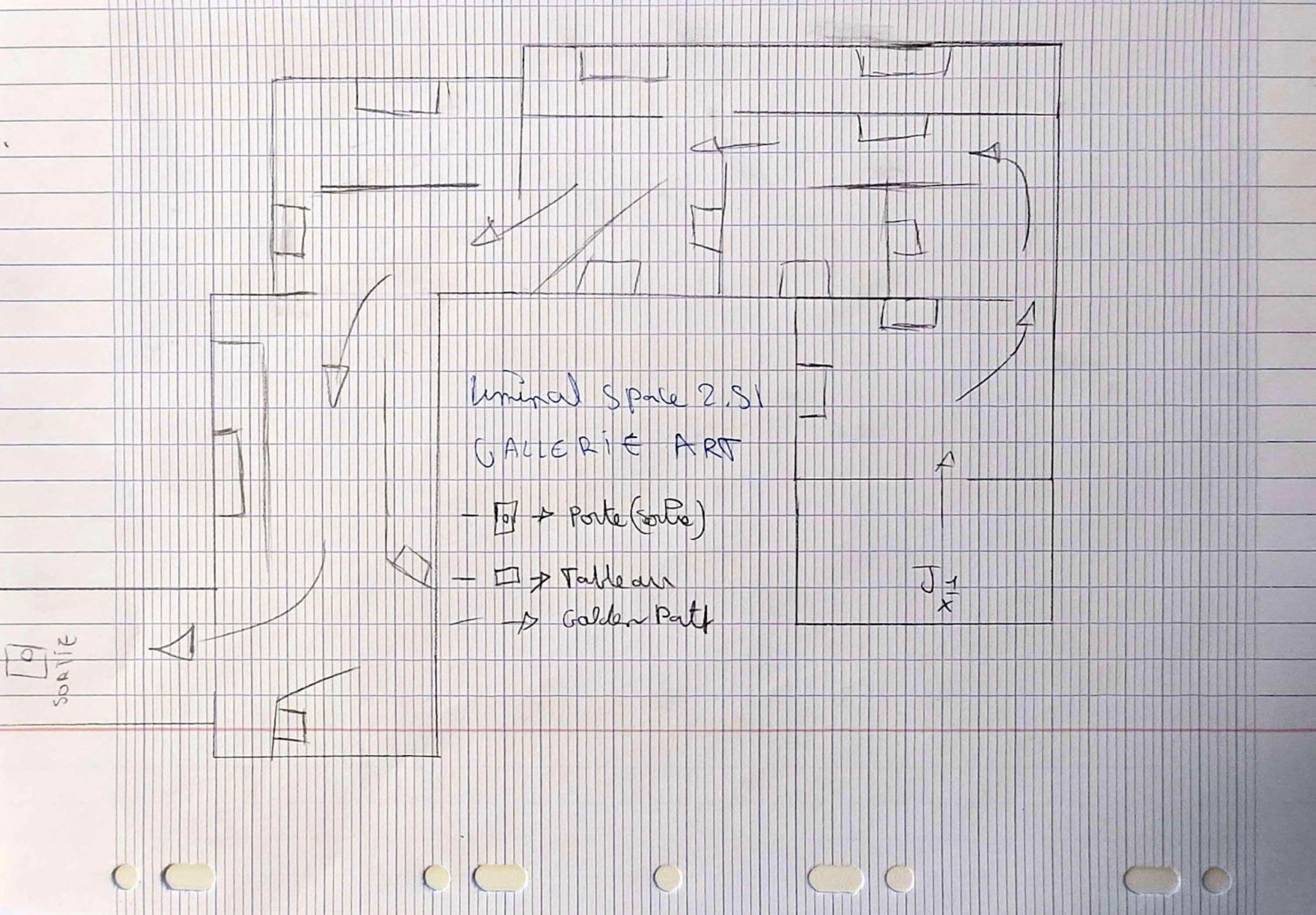
The preliminary version of the art gallery was very similar to the layout, the changes made were primarily intended to remove areas where the player had to turn back and to make the golden path more visible.
In the final version, we added a few obstacles that serve as tutorials and modified the final section to make it mandatory and more memorable. This also allowed us to artificially extend the level to give the dialogues time to play out in their entirety.
As for the corridor, the blockout and the layout are worlds apart. The layout turned out to be far too simplistic and visually uninteresting. For a game that’s rather lacking in terms of gameplay, we needed something visually striking, especially after a level like the library.
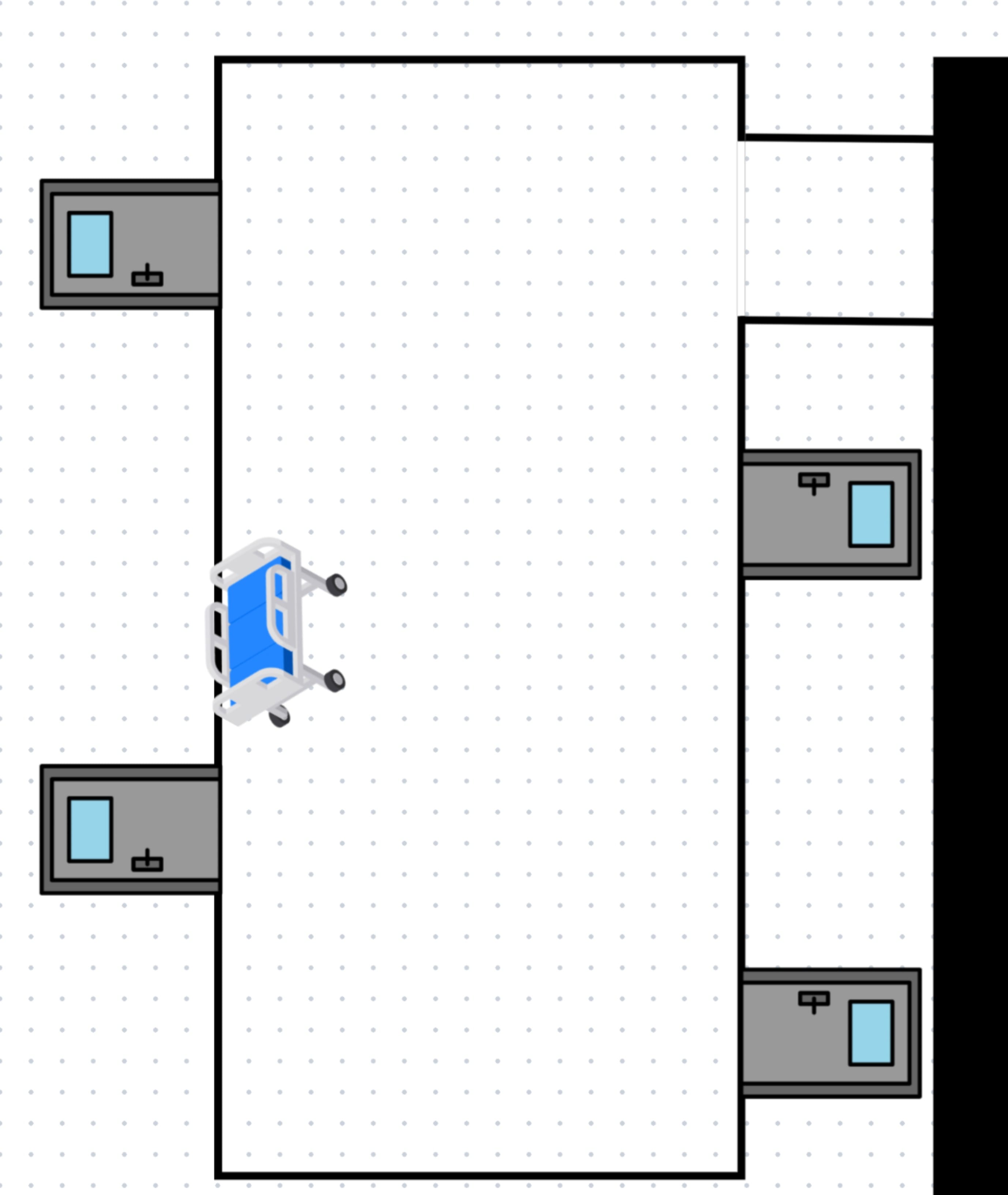
Since the player is inside Ion’s dream, we can take some liberties with level design to create true liminal spaces where dream and reality intertwine. Nothing really makes sense, and that’s the feeling I wanted to convey through this level to keep it engaging. I drew inspiration from Superliminal to create rooms where the player alternates between walking on the floor, the ceiling, or even the walls.
I also wanted to draw the player to certain areas. When they find themselves in the dark, a light ahead in a room that seems perfectly normal naturally draws them in. As they head toward that room, they fall into a seemingly endless drop.
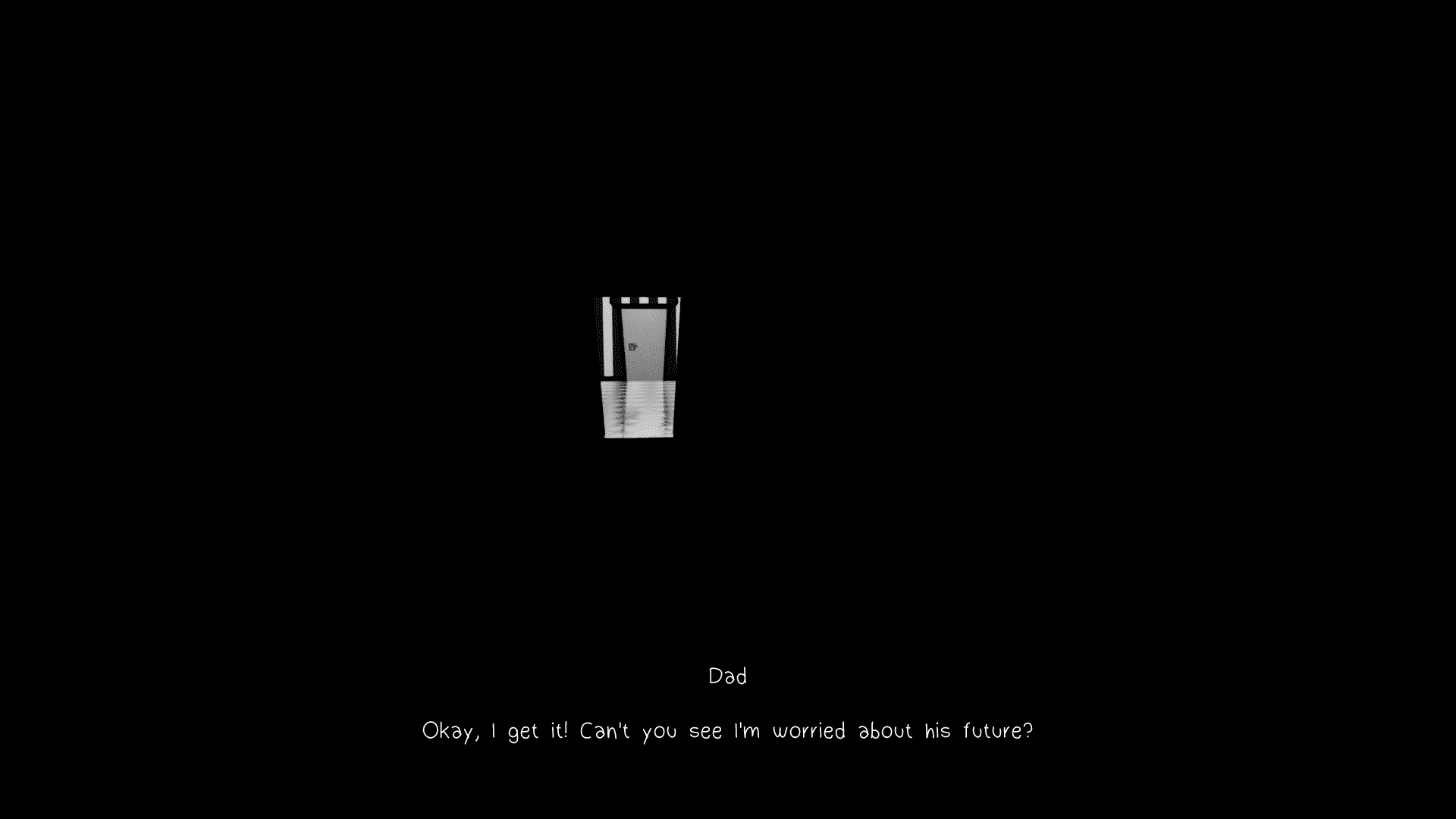
After falling, the player finds himself being watched by eyes on the walls, almost as if on trial, which serves to heighten their sense of guilt.
Using a dolly zoom during our character's fall and during the chase with his father creates the illusion that the room is longer than it actually is. This effect is accentuated by slow-motion running, giving the impression of running in place.
Level Art
In the two levels I created, the level art was pretty basic. Walls, doors, paintings—that’s about it.
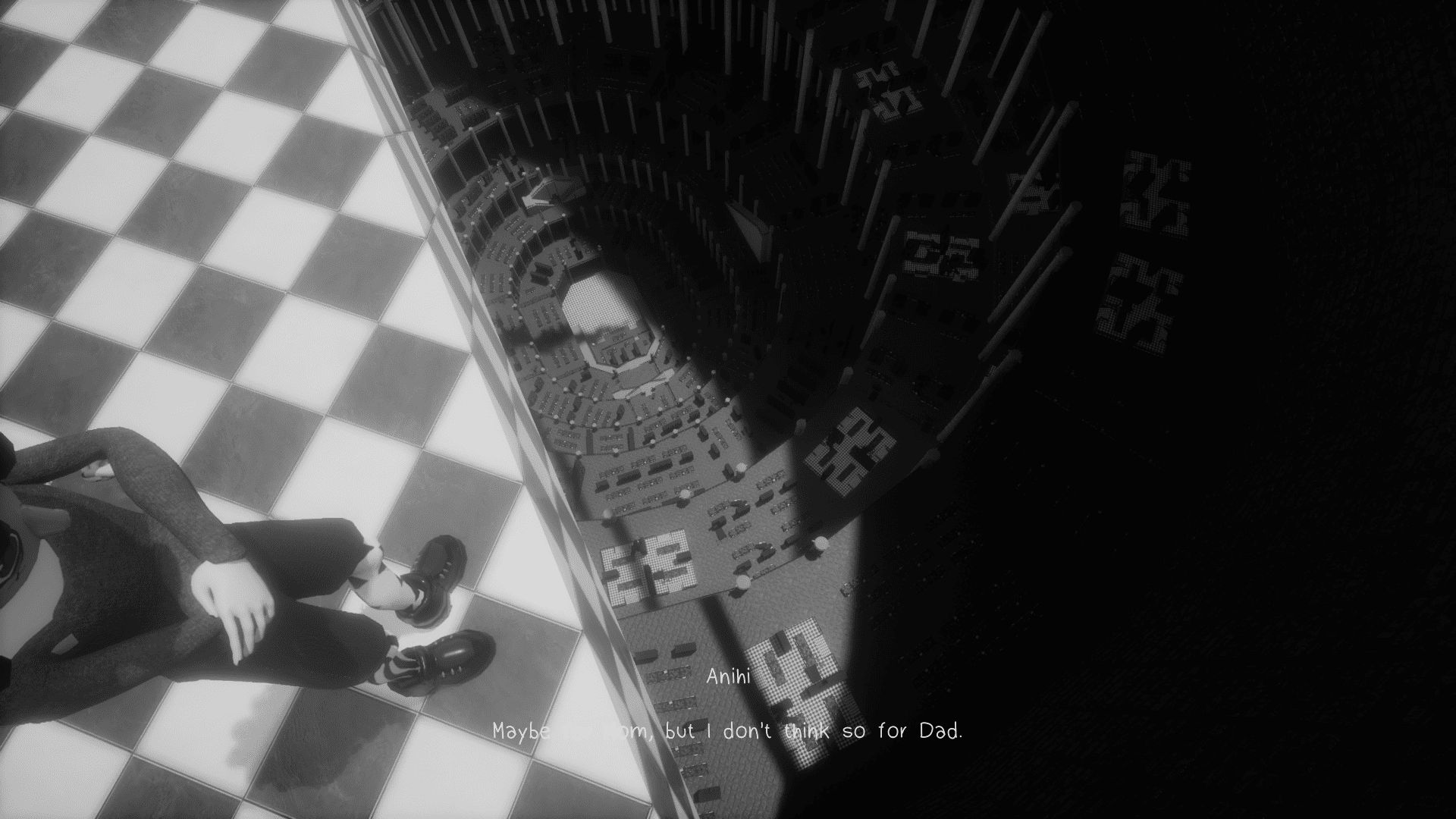
So I helped design a few floors of the library. Although they aren’t accessible in the game, they’re still visible, and decorating such vast spaces was no small feat.
Quality Assurance
With a strong interest in QA, I was responsible for reporting various bugs throughout the production process, whether related to gameplay (QA) and text (LQA).
Tools to simplify Level Design
Since level art was completed fairly quickly on my levels, I then focused on other aspects of the game. In partnership with the lead programmer, I implemented tools to facilitate storytelling, level design, and improve the gameplay experience.
This notably involved implementing a blueprint that allowed the camera to focus on specific areas, particularly at the start of the library, to force the player to look in a certain direction. Similarly, inside the house, if the player controls Anihi, eyeballs will appear and look at him .
Since all parts of the level are located on the same map, a way of teleporting with smooth transitions was needed. One of the early versions, still inspired by Superliminal, created the impression that the rooms were connected even though they were far apart.
I also implemented a trigger system that plays certain events or sounds if the player performs a specific action or possesses a particular item.
Gamepad Integration
As a former console gamer, the ability to play with a gamepad was very important to me.
The controller had to work for every possible action in the game, which was a particular challenge in the menus and especially for certain specific mechanics such as the glossary.
User Interface
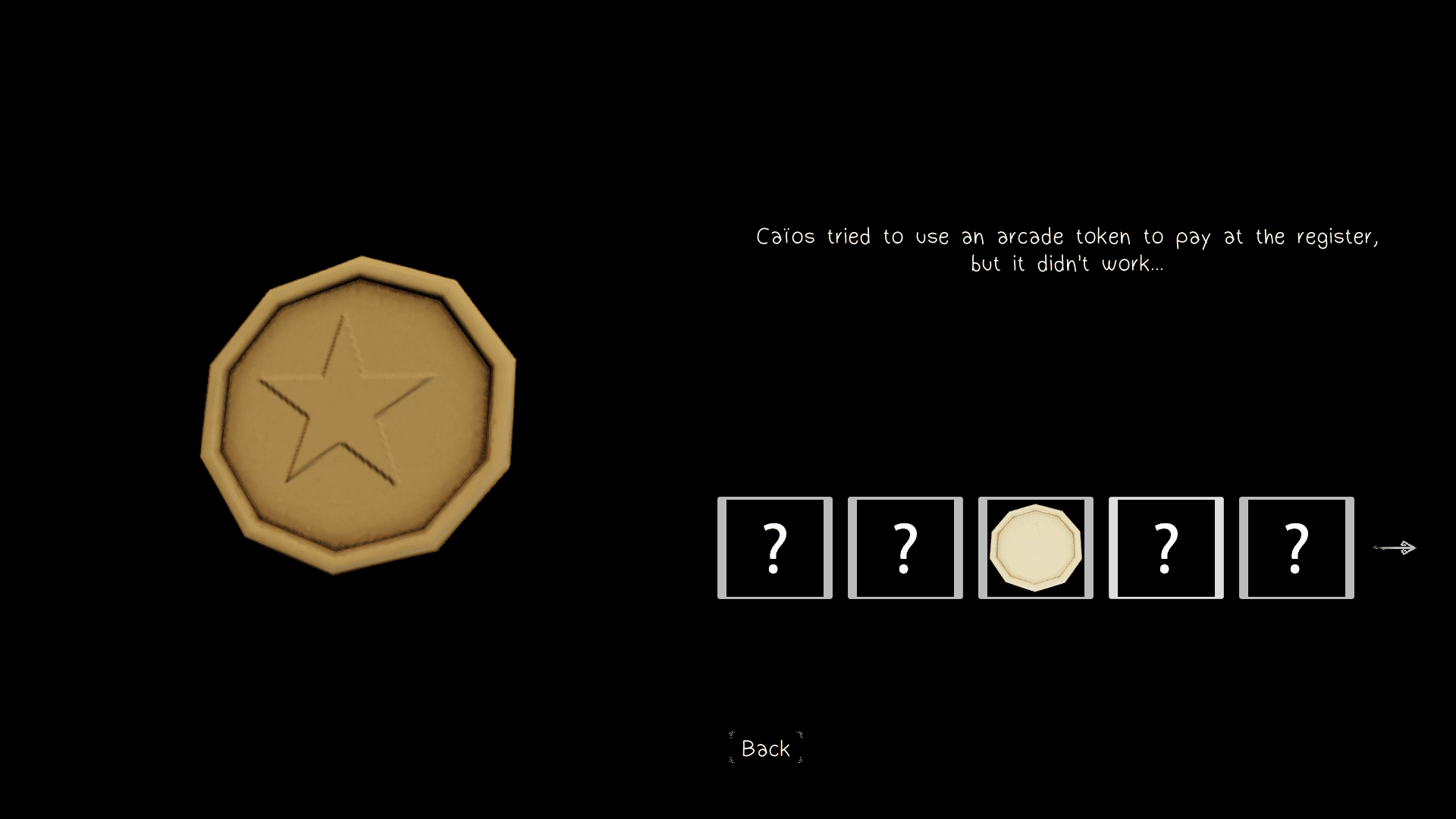
I also handled the UI side of things, including dialog boxes, menus, tutorials, interaction messages, and the glossary.
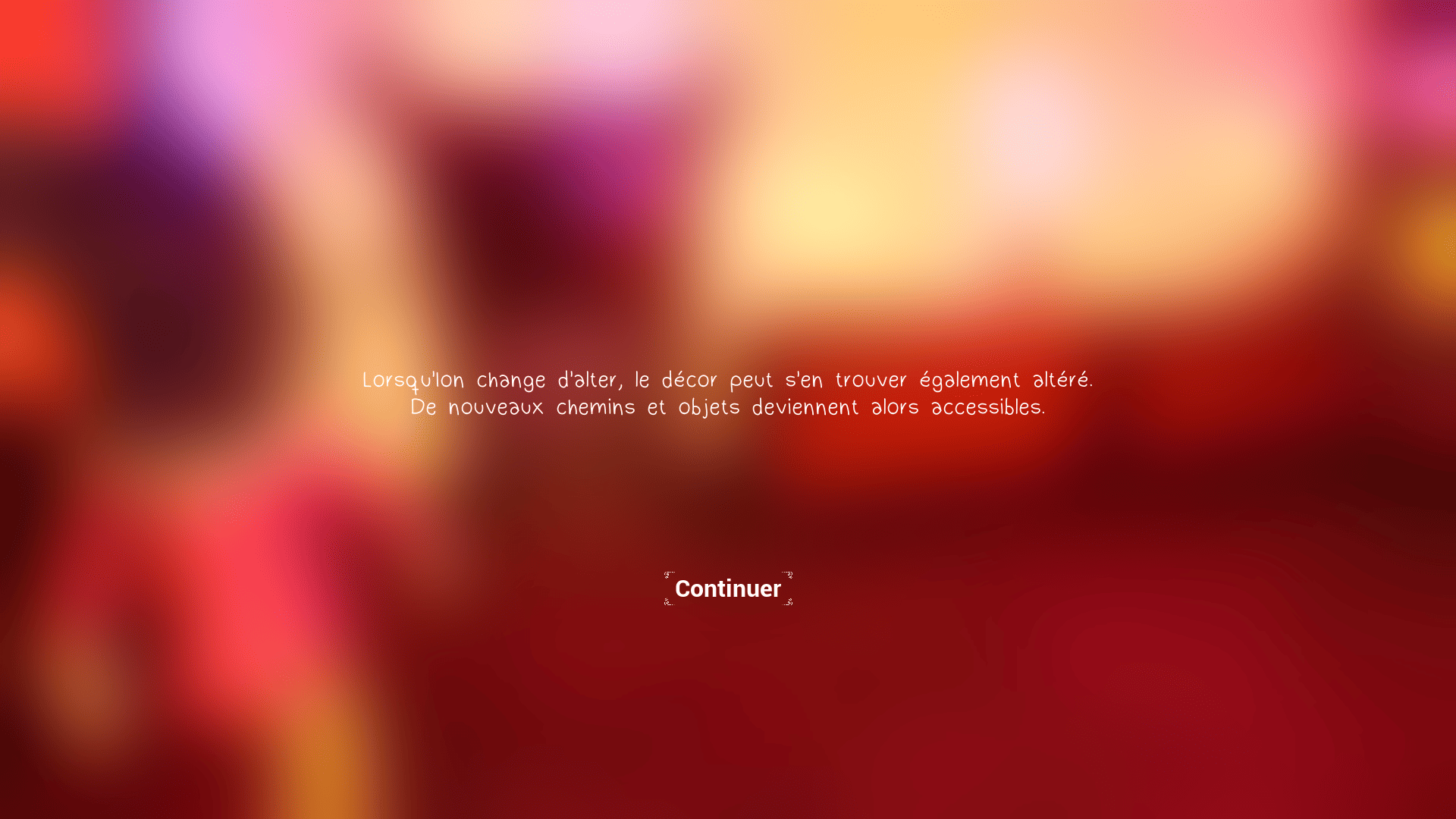
Most of these elements displayed the key the player needed to press. Therefore, we had to ensure that the controls would switch dynamically if the player switched from the keyboard to the controller or vice versa, and that everything would also work with the controller.
Since the menus and glossary were created toward the end of the project, they did not receive as mutch attention as they deserved.
Localization
To reach the widest possible audience, I handled the localization of all the game’s text, both in French and English.
Playtest
We had an event at Lyon Game Dev to let test a preliminary version of our game and gather feedback from the public and industry professionals, so we could make adjustments in time for the GGS presentation. I helped organize these playtests to gather as much feedback as possible and determine what changes, if any, were necessary.
Voice acting
To keep things simple and due to limited resources, we recorded the character voices ourselves. Although the subtitles are in English and French, the voice acting is exclusively in French.
So I got to play Edouard, Ion’s father, and realized that being a voice actor is harder than it looks. The ability to convey the right emotions at the right moment is truly a craft in itself.
Feedback
Thanks to everyone’s skills, we were able to deliver a vertical slice we can be proud of.
The project also allowed me to develop more skills, particularly in terms of UI, and to improve my visual scripting skills.
Finally, the fact that we were able to tackle such a serious subject without trivializing it and create an enjoyable gaming experience made the project very rewarding for everyone.